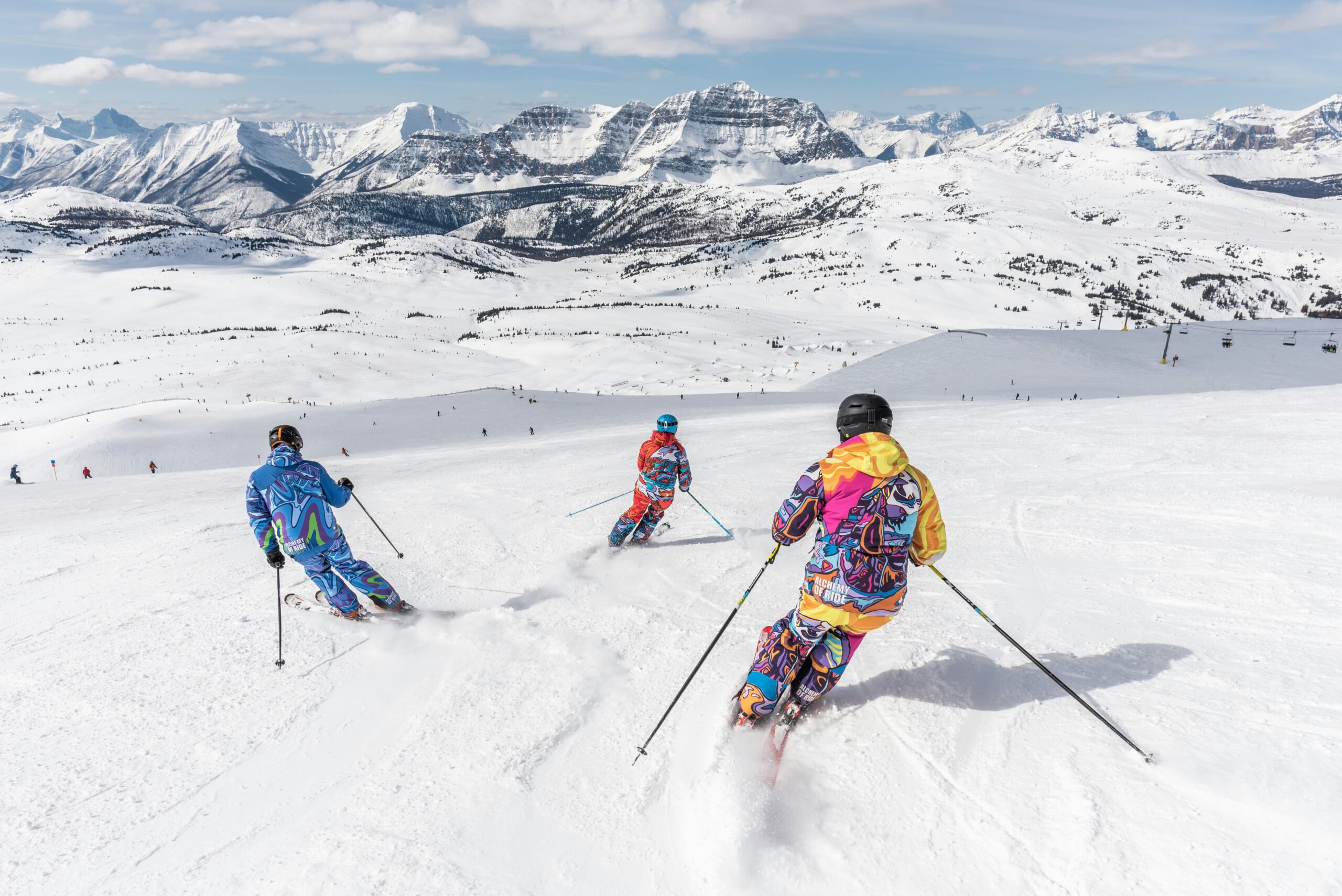
Skiing is an exciting winter sport that combines adventure, physical fitness, and skill. However, learning to ski confidently can be challenging, especially for beginners. Even experienced skiers sometimes struggle with fear, balance, or controlling their movements on unfamiliar slopes. Building confidence and improving skiing technique require patience, regular practice, and a positive attitude. By developing strong basic skills and learning how to handle different conditions, you can enjoy skiing more safely and comfortably. With the right approach, every trip to the mountain can become an opportunity to improve.
Start With the Right Mindset
Confidence begins with your mindset. If you feel nervous before skiing, remember that learning any new physical skill takes time. Instead of expecting perfect results right away, focus on small improvements each session. Accepting that mistakes are part of the learning process can help reduce pressure and make skiing more enjoyable.
Set realistic goals based on your current ability. For example, a beginner might focus on maintaining balance or making controlled turns, while an intermediate skier may work on improving speed control. Achieving smaller goals creates a sense of progress and encourages you to keep practicing. A calm and positive mindset also helps you make better decisions on the slopes.
Learn and Practice Basic Skiing Skills
Strong skiing technique starts with mastering the fundamentals. Before attempting steep slopes or difficult trails, become comfortable with standing, moving, stopping, and turning. These basic movements help you develop control and confidence in different situations.
Learn how to maintain a balanced position with your knees slightly bent, your upper body relaxed, and your weight centered over your skis. Avoid leaning too far backward because this can make controlling your movements more difficult. Keep your eyes looking ahead instead of constantly watching your skis. This position allows you to respond more naturally to changes in the terrain.
Practicing simple turns and controlled stops on beginner-friendly slopes can also improve coordination. Once these movements feel comfortable, gradually introduce more challenging techniques.
Choose Slopes That Match Your Ability
Selecting the right terrain plays an important role in building skiing confidence. Beginners should start on gentle slopes with enough space to practice without feeling rushed. Trying difficult runs too early can increase fear and lead to poor technique.
As your skills improve, gradually move to steeper, more varied trails. Pay attention to how your body responds to different slope conditions. If a run feels too challenging, it’s fine to choose an easier route. Progressing at a comfortable pace helps you develop stronger skills without unnecessary pressure.
Understanding trail difficulty signs is also essential. Always choose routes that match your experience and current physical condition.
Improve Balance and Body Control
Good balance is one of the most important parts of effective skiing. Your body must work together to stay stable as you move across changing snow conditions. Developing better balance can make turns smoother and help you feel more secure.
Simple exercises away from the slopes can support your skiing progress. Squats, lunges, planks, and single-leg balance exercises strengthen the muscles you use while skiing. These movements improve leg strength, core stability, and coordination.
On the mountain, practice keeping your movements controlled and natural. Avoid unnecessary stiffness because relaxed muscles respond more effectively to changes in direction. With regular practice, your balance and body awareness will gradually improve.
Take Professional Skiing Lessons
Working with a qualified ski instructor is one of the most effective ways to improve your technique. An instructor can identify mistakes, demonstrate correct movements, and provide feedback based on your individual needs.
Professional lessons are especially helpful for beginners who may develop incorrect habits without realizing it. Experienced skiers can also benefit from coaching when learning advanced turns, improving carving skills, or handling challenging terrain.
A good instructor can also help you understand mountain safety and build confidence through structured practice. Even a few lessons can make a noticeable difference in your overall performance.
Practice Consistently and Stay Relaxed
Consistency is essential for long-term improvement. Regular skiing sessions help your muscles remember important movements and make techniques feel more natural. However, practicing for long periods without breaks can cause tiredness and reduce concentration.
Take time to rest, drink enough water, and listen to your body. When you feel exhausted, your balance and decision-making may become less reliable. Staying relaxed and avoiding unnecessary pressure will help you enjoy each session.
Remember that confidence develops through experience. Celebrate small achievements, learn from mistakes, and give yourself enough time to improve.
Make Every Skiing Experience Count
Building confidence and improving skiing technique are gradual processes that become easier with patience and dedication. By practicing basic skills, choosing suitable slopes, improving physical fitness, and learning from experienced instructors, you can become a stronger and more confident skier.
Most importantly, enjoy the journey rather than focusing only on results. Every controlled turn, successful stop, and new challenge represents progress. With consistent effort and a positive mindset, you can develop better skiing skills, feel more comfortable on the mountain, and make every winter adventure more rewarding.