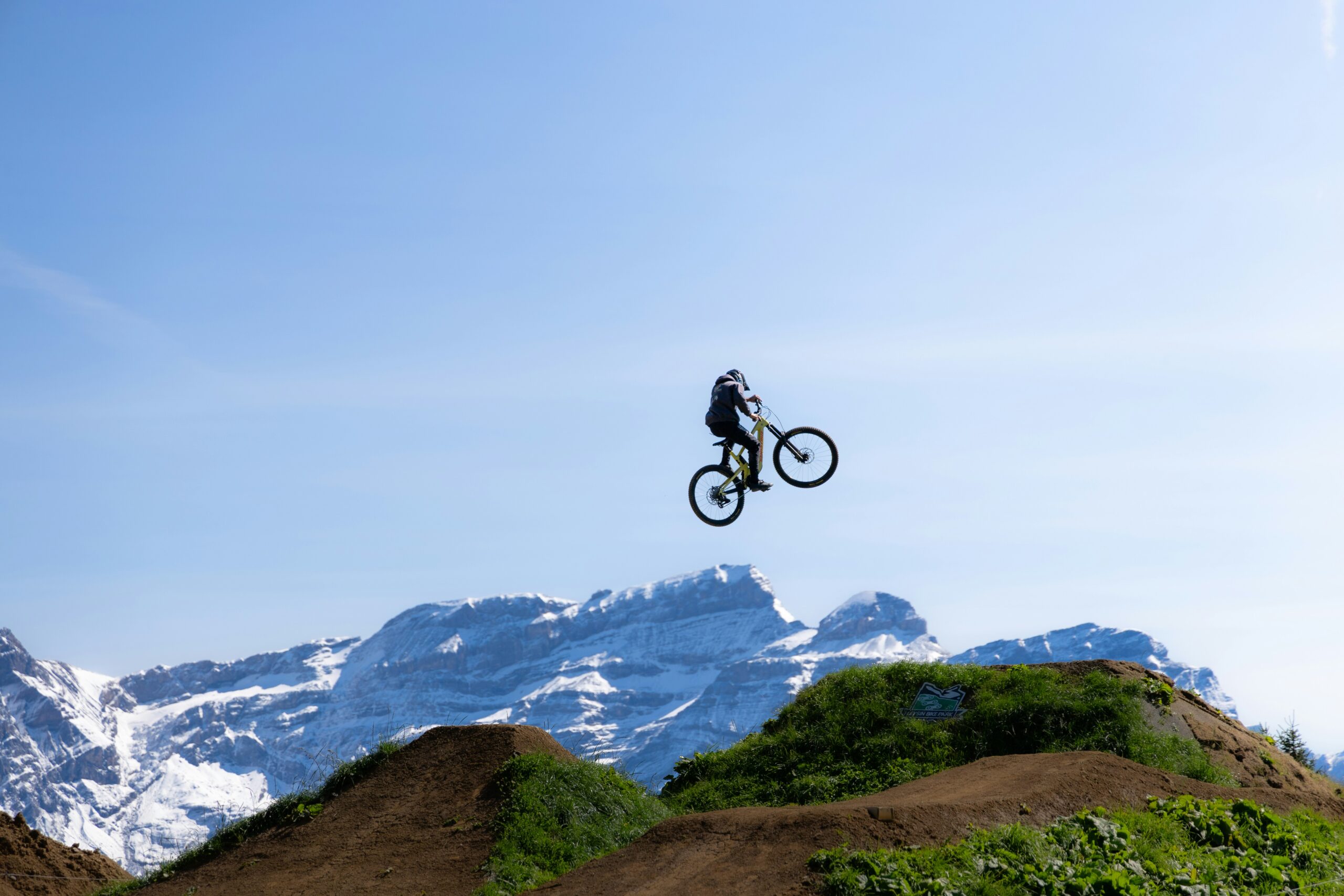
Mountain biking can feel challenging when every trail throws something different at you. One section may have loose dirt, while the next may feature rocks, sharp turns, roots, or steep drops. Many riders assume they need expensive gear or advanced skills to improve. However, a few simple mountain biking hacks can make riding easier, safer, and more enjoyable.
Small changes often create the biggest results. Better tire pressure can improve grip. Smarter braking can increase control. Proper body position can make rough terrain feel less intimidating. You do not need years of experience to use these techniques. These five practical habits can help you ride with greater confidence and waste less energy on the trail.
Adjust Tire Pressure Before You Start Riding
Tire pressure has a huge effect on how your mountain bike handles. Many riders simply pump their tires until they feel firm. That approach may work on pavement, but trails require more careful adjustment. Tires that have too much air can bounce across rocks and roots. They also provide less grip on loose surfaces. Lower pressure allows the tire to better follow the shape of the ground.
Your ideal pressure depends on your weight, tire size, terrain, and riding style. Start with the tire manufacturer’s recommended range, then make small adjustments. Check the pressure before each ride because tires slowly lose air over time. A portable pressure gauge makes this process easier. Once you find a pressure that provides good traction without causing rim strikes or tire damage, record it for future rides.
Look Farther Ahead Instead of Watching Your Front Wheel
New mountain bikers often stare at the ground directly in front of their front tire. This habit feels safe because you can see every nearby rock and root. Unfortunately, it gives you very little time to react. By the time you notice a large obstacle, you may already be too close to choose the smoothest path around it.
Train yourself to look farther down the trail. Your eyes should constantly scan ahead while occasionally checking the ground closer to your bike. This technique helps your brain prepare for turns, climbs, drops, and changing trail conditions. Your bike also tends to follow your eyes. When you focus on the path you want to take instead of the obstacle you fear hitting, your movements often become smoother and more controlled.
Brake Before Turns Instead of During Them
Good braking technique can completely change how confident you feel on a mountain bike. Many riders enter a corner too quickly and then squeeze the brakes while turning. That action reduces tire grip at the exact moment you need traction most. The bike may slide, straighten unexpectedly, or become difficult to control.
Instead, slow down before entering the turn. Apply both brakes smoothly while the bike remains fairly straight. Release some braking pressure as you begin the corner, then focus on following a clean line through it. Keep your eyes toward the exit rather than staring at your front wheel. Once the bike begins to straighten, you can add speed again. This approach creates smoother corners and helps preserve momentum.
Use Your Body as Part of the Suspension
Your mountain bike has suspension, but your arms and legs provide another important layer of shock absorption. Riders who stay stiff often feel every bump. They may also lose balance when the bike moves beneath them. A relaxed riding position allows your body to respond naturally to changing terrain while keeping the bike stable.
Keep a slight bend in your elbows and knees when traveling over rough sections. Avoid locking your joints. Let the bike move underneath you while your upper body stays balanced. When descending, lower your center of gravity and keep your weight centered according to the slope. You do not need dramatic movements. Small adjustments in body position can help you maintain traction, absorb impacts, and stay comfortable during longer rides.
Choose the Smoothest Line, Not Always the Shortest
The shortest route through a trail section does not always offer the fastest or easiest ride. A direct line may include large rocks, deep ruts, loose soil, or exposed roots. Taking a slightly wider route can sometimes allow you to maintain more speed and control. Learning to choose good lines becomes one of the most valuable mountain biking skills you can develop.
Before entering a technical section, quickly scan the terrain and identify where your tires can roll smoothly. Look for stable ground, manageable gaps between rocks, and gradual changes in elevation. Avoid making sudden direction changes unless necessary. Experienced riders constantly search for paths that require fewer hard corrections. With practice, you will begin noticing these lines automatically and making decisions much earlier.
Shift Gears Before the Trail Gets Steep
Many riders wait until they are already struggling on a climb before changing gears. At that point, heavy pressure on the pedals can make shifting rough and unreliable. The chain may jump, gears may grind, and momentum can disappear. Planning your gear changes earlier keeps your pedaling smooth and protects parts of your drivetrain from unnecessary stress.
As you approach a hill, shift into an easier gear before the slope becomes difficult. Keep pedaling with steady pressure instead of pushing the pedals as hard as possible. If you need another gear change during the climb, briefly reduce pedal pressure while continuing to rotate the cranks. Smooth shifting helps you maintain traction, especially on loose dirt where sudden bursts of power can cause the rear wheel to spin.
Keep Your Hands Relaxed on the Handlebars
A tight grip may feel like it gives you more control, but the opposite often happens. Gripping the handlebars too firmly creates tension in your hands, arms, shoulders, and upper body. That tension makes it harder to respond smoothly when your front wheel hits bumps or changes direction. It can also cause hand fatigue during long trail rides.
Hold the grips securely but avoid squeezing them harder than necessary. Keep one finger ready on each brake lever if your brake setup allows comfortable one-finger braking. Relax your shoulders and let your elbows move naturally. A lighter grip helps the bike move beneath you instead of transferring every impact into your upper body. You may also notice better steering because your movements become less sudden.
Practice These Mountain Biking Hacks on Familiar Trails
You do not need to master every technique during one ride. Choose a familiar trail where you already understand the terrain. Practice one or two changes at a time. For example, spend one ride focusing on looking farther ahead. During another session, pay close attention to braking before corners and relaxing your grip.
Consistent practice turns small mountain biking hacks into natural habits. Over time, better tire pressure, smoother braking, smart gear changes, relaxed movement, and stronger line choices can transform the way your bike feels. You may ride faster, but speed does not need to be your main goal. Greater control, comfort, and confidence can make every trail more rewarding.