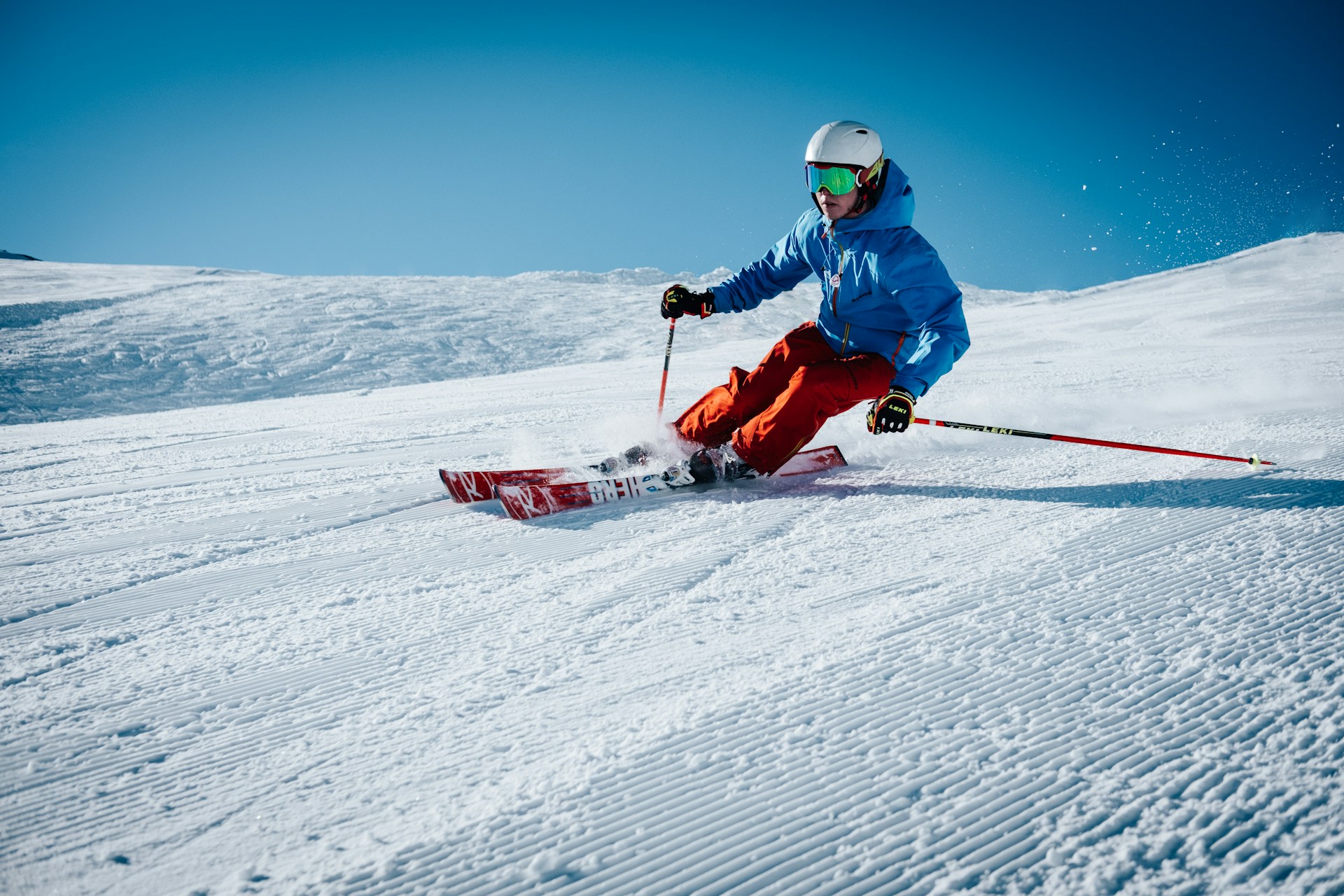
Learning to ski is exciting, but it can also feel overwhelming at first. Many new skiers step onto the mountain expecting quick progress, only to discover that skiing takes patience, balance, and practice. The good news is that most beginners make the same mistakes. Once you understand these errors, you can improve much faster and enjoy your time on the snow. Developing solid mountain balance skills early can make every lesson easier and more rewarding.
Many people assume that skiing is all about courage and speed. However, good technique matters far more than confidence alone. By focusing on the fundamentals and correcting common habits, you can build a strong foundation that supports long-term improvement. Let’s look at what many beginner skiers get wrong and how to fix those issues.
Standing Too Far Back on the Skis
One of the most common beginner mistakes is leaning backward. New skiers often do this because they feel nervous about falling forward. Unfortunately, this position reduces control and makes turning much harder.
Instead, focus on keeping your weight centered over your feet. Your shins should gently press against the front of your ski boots. When you maintain this athletic stance, your skis respond more effectively to your movements. As a result, you gain better control and feel more stable on different types of terrain.
Looking Down Instead of Ahead
Many beginners spend most of their time staring at their skis. While this feels natural, it creates several problems. Looking down affects balance, limits awareness, and often causes awkward body positioning.
Rather than watching your feet, keep your eyes focused ahead. Look where you want to go instead of where you are. This simple adjustment helps your body stay aligned and allows you to react more smoothly to changes in the slope. Furthermore, it improves confidence because you can see upcoming terrain features earlier.
Trying to Turn with the Upper Body
New skiers often attempt to steer by twisting their shoulders and arms. While this might seem logical, skiing turns actually begin from the lower body.
Your legs and feet should guide the skis through each turn. Keep your upper body relatively stable while your lower body does the work. With practice, this technique creates smoother and more efficient movement. Moreover, it reduces fatigue because you are using the correct muscles for the job.
Fighting the Terrain Instead of Working With It
Beginners frequently become tense when the slope changes. They may stiffen their bodies or resist the natural movement required by uneven snow. Unfortunately, this tension often creates more instability.
Instead, try to stay relaxed and flexible. Allow your knees and ankles to absorb bumps and changes in the surface. This approach helps you remain balanced while maintaining better ski contact with the snow. During this learning phase, developing strong edge control techniques can dramatically improve your ability to handle different conditions.
Wearing Equipment That Does Not Fit Properly
Poorly fitted gear can slow progress significantly. Many beginners rent equipment without understanding how important proper sizing can be. Boots that are too loose, for example, make it difficult to control the skis.
A snug boot fit allows movements to transfer directly to the skis. Likewise, skis that match your skill level provide better learning conditions. If possible, work with a qualified technician when selecting equipment. Proper gear will not instantly make you an expert, but it can make learning far easier and more enjoyable.
Rushing Through Basic Techniques
Many people want to move beyond beginner terrain as quickly as possible. They often skip important practice drills because they seem simple or repetitive. However, strong fundamentals are what separate confident skiers from frustrated ones.
Taking extra time to master stopping, turning, and balance exercises pays off in the long run. In fact, many advanced skiers continue practicing basic drills throughout their skiing careers. Consistent repetition develops muscle memory, which helps techniques become automatic on more challenging slopes.
Expecting Progress to Happen Overnight
Skiing has a learning curve, and many beginners underestimate how long it takes to become comfortable. As a result, they may become discouraged after a few difficult runs.
Improvement happens gradually. Some days you may feel like you are progressing quickly, while other days may feel challenging. Nevertheless, every run contributes to your development. Focus on small improvements rather than immediate perfection. Over time, those small gains add up to significant progress on the mountain.
Building Habits That Support Long-Term Success
Successful skiers understand that improvement comes from consistent practice and smart technique. They focus on balance, body position, and controlled movements rather than speed alone. As you continue learning, paying attention to ski posture fundamentals will help create habits that support better performance in every condition.
Remember that every experienced skier was once a beginner. Mistakes are a normal part of the learning process. By staying patient, practicing regularly, and correcting common errors early, you can build confidence and enjoy skiing much more. With time, proper guidance, and a positive attitude, you’ll find yourself moving smoothly down the slopes and making the most of every trip to the mountains.